blogs
AI: real challenges in everyday use
Parag Natekar | Feb 11, 2026
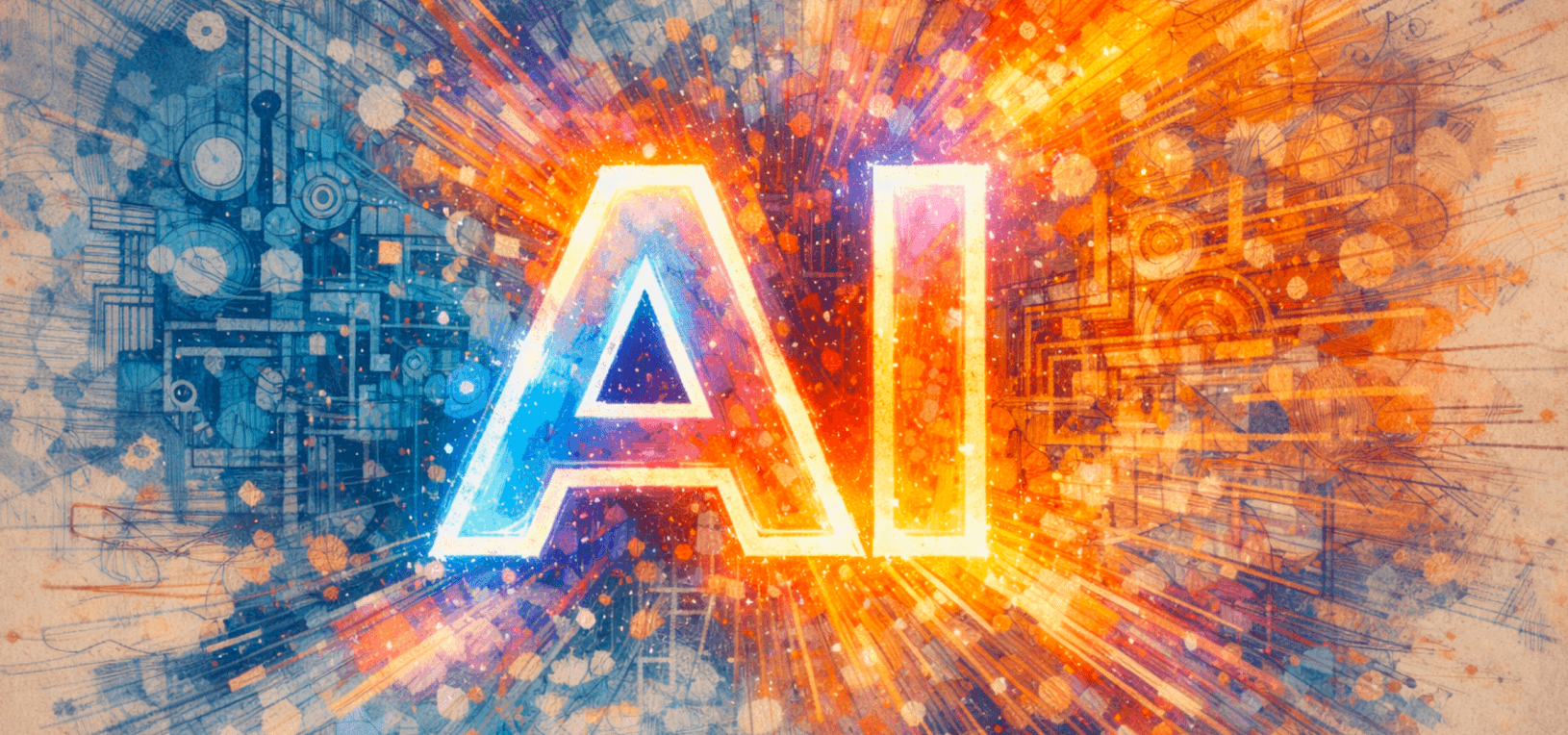
One of the biggest challenges with AI, in my experience, isn’t misuse; it’s overuse without enough thought.
AI makes things faster. But faster doesn’t always mean better.
By now, almost everyone is using AI. Most of us have also seen results that were funny, frustrating, or clearly off. The tool is available to everyone but not everyone is equipped to judge what’s good, usable, and meaningful.
That’s where the real challenge begins.
At the studio, we constantly discuss how and where to use AI. We’ve been experimenting with it across research, early prototyping, image generation, and video. We’re still learning where it genuinely helps and where it quietly gets in the way.
Along the way, a few problems and observations keep showing up, and they’re worth considering carefully as we continue using AI in a more meaningful way.
People stopped. They asked questions. They picked up the games. They sat down.
What truly stood out was the interaction. We hosted small game sessions, explained mechanics, laughed over rounds, and watched people connect, with the games and with each other. Some stayed for a quick play, some returned with friends, and some just wanted to talk about how games bring people together.
Speed replacing judgment
(Problem: acting too fast)
AI can generate answers, drafts, visuals, and ideas in seconds. That speed is tempting. But when speed becomes the goal, judgment slips into the background.
The issue isn’t wrong output. It’s unquestioned output. When decisions move faster than understanding, quality erodes quietly.
When generation becomes easy, judgment suffers
(Problem: too many options)
When generating becomes easy, choosing well becomes harder.
Earlier, effort acted as a filter. Time forced selectivity. Today, abundance replaces that filter. Too many ideas, too many variations, too many “this is fine” options.
The challenge has shifted from creating to deciding.
Depth is often the first casualty
(Problem: skipping thinking time)
AI can help you reach an answer. It can’t help you sit with the question.
That pause where clarity forms and contradictions surface is where understanding lives. Skipping it may save time, but it also skips learning.
Over time, work becomes efficient, but less meaningful.
The quiet erosion of learning
(Problem: no struggle, no growth)
If AI writes before we think, summarises before we read, and solves before we attempt — we lose the friction that builds intuition, judgment, and confidence. We may still produce output.
But when AI optimises for calculated or no failures, our ability to truly learn and grow quietly weakens.
It changes how we think not just how we work
(Problem: long-term mental shift)
AI doesn’t just affect productivity. It slowly reshapes how long we stay with uncertainty, how deeply we explore ideas, and how often we rely on external validation.
Some of the best ideas and deepest learnings emerge in moments of uncertainty — through exploration, reflection, and internal dialogue.
The more uncomfortable question is: what parts of ourselves are we giving up in exchange for convenience?
At our studio, while we work with many AI tools, we try to stay conscious about using them in a more meaningful way.
Used consciously, AI can extend human thinking.
Used carelessly, it can replace the habits that make thinking meaningful.
The challenge isn’t technical. It’s human.
What are your thoughts?
#ResponsibleAI #AIinIndia #DesignThinking #HumanCenteredDesign #FutureOfWork #SenseMaking #CreativeLeadership #TechnologyAndSociety #EthicalAI
© 2025 Studio Vitamin-D Pvt. Ltd.

great things start with a conversation !
© 2025 Studio Vitamin-D Pvt. Ltd.
Blogs
blogs
Ramen
AI: real challenges in everyday use
AI: real challenges in everyday use
A story about ramen and it impact on history
Parag Natekar | Feb 11, 2026
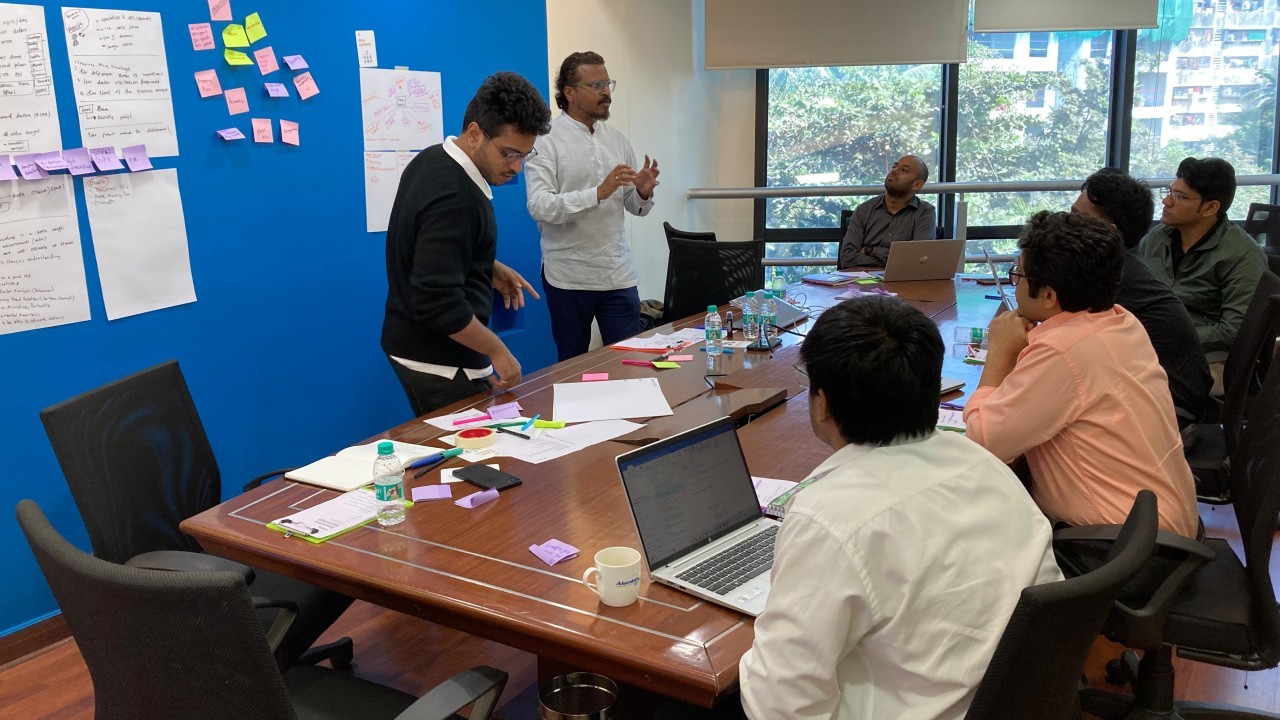

One of the biggest challenges with AI, in my experience, isn’t misuse; it’s overuse without enough thought.
AI makes things faster. But faster doesn’t always mean better.
By now, almost everyone is using AI. Most of us have also seen results that were funny, frustrating, or clearly off. The tool is available to everyone but not everyone is equipped to judge what’s good, usable, and meaningful.
That’s where the real challenge begins.
At the studio, we constantly discuss how and where to use AI. We’ve been experimenting with it across research, early prototyping, image generation, and video. We’re still learning where it genuinely helps and where it quietly gets in the way.
Along the way, a few problems and observations keep showing up, and they’re worth considering carefully as we continue using AI in a more meaningful way.
One of the biggest challenges with AI, in my experience, isn’t misuse; it’s overuse without enough thought.
AI makes things faster. But faster doesn’t always mean better.
By now, almost everyone is using AI. Most of us have also seen results that were funny, frustrating, or clearly off. The tool is available to everyone but not everyone is equipped to judge what’s good, usable, and meaningful.
That’s where the real challenge begins.
At the studio, we constantly discuss how and where to use AI. We’ve been experimenting with it across research, early prototyping, image generation, and video. We’re still learning where it genuinely helps and where it quietly gets in the way.
Along the way, a few problems and observations keep showing up, and they’re worth considering carefully as we continue using AI in a more meaningful way.
As a design studio, we often spend hours obsessing over details, concepts, mechanics, illustrations, rules, and storytelling. But every once in a while, a we get an opportunity to step out showcase the work we have done, Zapurza was one such experience.
Set amidst nature, art galleries, and museums, Zapurza hosted a four-day festival that celebrated creativity, slow living, and meaningful experiences. It felt like the perfect environment for our games to step out into the real world.
The Stall as an Experience
From the very beginning, our intention was about creating an inviting space, one that reflected Kosh’s design sensibility and curiosity-led approach. We invested time and effort into making the stall visually engaging, using posters, a standee, and bunting to draw people in. The aim was simple: spark interest and invite conversation.
And it worked.
People stopped. They asked questions. They picked up the games. They sat down.
What truly stood out was the interaction. We hosted small game sessions, explained mechanics, laughed over rounds, and watched people connect, with the games and with each other. Some stayed for a quick play, some returned with friends, and some just wanted to talk about how games bring people together.
What mattered the most was
• Learning how to set up and run a stall
• Understanding audience behavior in an open, cultural space
• Practicing engagement and facilitation
• Build confidence in presenting our games
And most importantly, showing up as a brand in the real world.
The cherry on the cake was that we sold 7 games and got a pre booking for a game in the pipeline. The real value was in observing how people respond to our work, in learning how to explain our games better, and in understanding what excites players when they first encounter Kosh.
Zapurza reminded us that games are not just products, they are experiences. They come alive when people sit together, talk, think, laugh, and play.
Looking Ahead
This was a small step, but an important one. It reaffirmed why Kosh exists and what we want to build going forward, thoughtfully designed games that create moments of connection.
Zapurza gave us exposure, learning, and clarity. And for us, that made the experience completely worth it.
Speed replacing judgment
(Problem: acting too fast)
AI can generate answers, drafts, visuals, and ideas in seconds. That speed is tempting. But when speed becomes the goal, judgment slips into the background.
The issue isn’t wrong output. It’s unquestioned output. When decisions move faster than understanding, quality erodes quietly.
Speed replacing judgment
(Problem: acting too fast)
AI can generate answers, drafts, visuals, and ideas in seconds. That speed is tempting. But when speed becomes the goal, judgment slips into the background.
The issue isn’t wrong output. It’s unquestioned output. When decisions move faster than understanding, quality erodes quietly.
Speed replacing judgment
(Problem: acting too fast)
AI can generate answers, drafts, visuals, and ideas in seconds. That speed is tempting. But when speed becomes the goal, judgment slips into the background.
The issue isn’t wrong output. It’s unquestioned output. When decisions move faster than understanding, quality erodes quietly.
When generation becomes easy, judgment suffers
(Problem: too many options)
When generating becomes easy, choosing well becomes harder.
Earlier, effort acted as a filter. Time forced selectivity. Today, abundance replaces that filter. Too many ideas, too many variations, too many “this is fine” options.
The challenge has shifted from creating to deciding.
When generation becomes easy, judgment suffers
(Problem: too many options)
When generating becomes easy, choosing well becomes harder.
Earlier, effort acted as a filter. Time forced selectivity. Today, abundance replaces that filter. Too many ideas, too many variations, too many “this is fine” options.
The challenge has shifted from creating to deciding
When generation becomes easy, judgment suffers
(Problem: too many options)
When generating becomes easy, choosing well becomes harder.
Earlier, effort acted as a filter. Time forced selectivity. Today, abundance replaces that filter. Too many ideas, too many variations, too many “this is fine” options.
The challenge has shifted from creating to deciding.
Depth is often the first casualty
(Problem: skipping thinking time)
AI can help you reach an answer. It can’t help you sit with the question.
That pause where clarity forms and contradictions surface is where understanding lives. Skipping it may save time, but it also skips learning.
Over time, work becomes efficient, but less meaningful
Depth is often the first casualty
(Problem: skipping thinking time)
AI can help you reach an answer. It can’t help you sit with the question.
That pause where clarity forms and contradictions surface is where understanding lives. Skipping it may save time, but it also skips learning.
Over time, work becomes efficient, but less meaningful.
Depth is often the first casualty
(Problem: skipping thinking time)
AI can help you reach an answer. It can’t help you sit with the question.
That pause where clarity forms and contradictions surface is where understanding lives. Skipping it may save time, but it also skips learning.
Over time, work becomes efficient, but less meaningful
The quiet erosion of learning
(Problem: no struggle, no growth)
If AI writes before we think, summarises before we read, and solves before we attempt — we lose the friction that builds intuition, judgment, and confidence. We may still produce output.
But when AI optimises for calculated or no failures, our ability to truly learn and grow quietly weakens.
The quiet erosion of learning
(Problem: no struggle, no growth)
If AI writes before we think, summarises before we read, and solves before we attempt — we lose the friction that builds intuition, judgment, and confidence. We may still produce output.
But when AI optimises for calculated or no failures, our ability to truly learn and grow quietly weakens.
It changes how we think not just how we work
(Problem: long-term mental shift)
AI doesn’t just affect productivity. It slowly reshapes how long we stay with uncertainty, how deeply we explore ideas, and how often we rely on external validation.
Some of the best ideas and deepest learnings emerge in moments of uncertainty — through exploration, reflection, and internal dialogue.
The more uncomfortable question is:
what parts of ourselves are we giving up in exchange for convenience?
At our studio, while we work with many AI tools, we try to stay conscious about using them in a more meaningful way.
Used consciously, AI can extend human thinking.
Used carelessly, it can replace the habits that make thinking meaningful.
The challenge isn’t technical. It’s human.
What are your thoughts?
#ResponsibleAI #AIinIndia #DesignThinking #HumanCenteredDesign #FutureOfWork #SenseMaking #CreativeLeadership #TechnologyAndSociety #EthicalAI
It changes how we think not just how we work
(Problem: long-term mental shift)
AI doesn’t just affect productivity. It slowly reshapes how long we stay with uncertainty, how deeply we explore ideas, and how often we rely on external validation.
Some of the best ideas and deepest learnings emerge in moments of uncertainty — through exploration, reflection, and internal dialogue.
The more uncomfortable question is: what parts of ourselves are we giving up in exchange for convenience?
At our studio, while we work with many AI tools, we try to stay conscious about using them in a more meaningful way.
Used consciously, AI can extend human thinking.
Used carelessly, it can replace the habits that make thinking meaningful.
The challenge isn’t technical. It’s human.
What are your thoughts?
#ResponsibleAI #AIinIndia #DesignThinking #HumanCenteredDesign #FutureOfWork #SenseMaking #CreativeLeadership #TechnologyAndSociety #EthicalAI
great things start with a conversation !
© 2025 Studio Vitamin-D Pvt. Ltd.
